
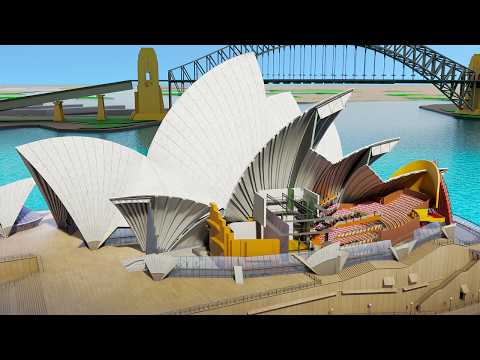
Perched on the edge of Sydney Harbour, the Sydney Opera House is not only one of Australia’s most iconic landmarks but also a bustling center for the performing arts. Since its grand opening in 1973, this masterpiece, designed by Danish architect Jørn Utzon, has astonished visitors with its innovative design and superior acoustics. Beyond its distinctive sail-like façade, there lies a world of artistic endeavors spanning opera, theater, dance, and classical music. Here’s an insider look at what you can find inside this UNESCO World Heritage site.
### The Performance Venues
**Concert Hall**: As the largest interior venue at the Opera House, the Concert Hall can seat over 2,700 spectators. It is equipped with a grand organ that boasts more than 10,000 pipes, making it one of the largest mechanical tracker action organs in the world. This venue hosts a myriad of performances including classical concerts, contemporary music shows, and talks.
**Joan Sutherland Theatre**: Named after the famous Australian soprano Joan Sutherland, this proscenium theatre accommodates about 1,500 attendees. It primarily serves as a space for opera performances managed by Opera Australia and also hosts ballet productions by The Australian Ballet.
**Drama Theatre**: With a capacity to seat nearly 550 people, this space is typically reserved for plays produced by companies such as the Sydney Theatre Company and other drama ensembles.
**Playhouse**: A more intimate venue within the Opera House, it seats around 400 people and is ideal for smaller dramatic performances and other events like chamber music concerts.
**The Studio**: Designed to be flexible in layout to accommodate experimental performances and avant-garde arts presentations including contemporary music gigs or cabaret shows.
### Other Facilities
Beyond performance venues, the Sydney Opera House also houses other facilities that contribute to its functionality as a comprehensive cultural center:
**The Forecourt**: A vast outdoor area used for large-scale events such as open-air concerts or public screenings which capitalize on its stunning backdrop of Sydney Harbour.
**Utzon Room**: Named after Jørn Utzon himself – who had originally departed from the project before its completion due to controversies – this room was later designed by him when he reconciled with project planners. Adorned with tapestries designed by Utzon himself; it offers an intimate setting for various gatherings.
**Recording Studio**: Professional-grade facilities here cater to high-quality audio recordings which often document live performances held within the precinct.
### Guided Tours and Educational Programs
For those interested in learning more about this fascinating structure beyond attending shows or concerts, guided tours are available which delve into its history including stories behind Utzon’s visionary design and details about construction challenges overcome during its build.
Moreover educational programs are offered targeting various age groups aiming to inspire future generations in appreciating performing arts alongside offering workshops led by artists-in-residence.
### Dining Options
Visitors can enjoy meals from casual eats at Opera Kitchen with spectacular views of harbor activities or opt for fine dining at Bennelong Restaurant nestled inside one of the sails offering Australian cuisine showcasing local ingredients prepared innovatively.
### Conclusion
The Sydney Opera House stands as not only an architectural wonder but also as a vibrant cultural institution that enriches Australia’s arts scene profoundly. Whether you’re soaking up live performances inside one of its exquisite venues or exploring behind-the-scenes through tours revealing hidden facets of architectural brilliance—there’s always something fascinating happening within those famous sails. It remains a testament to human creativity—a place where every visit guaranteed brings discovery no matter how many times you’ve walked through those doors.