
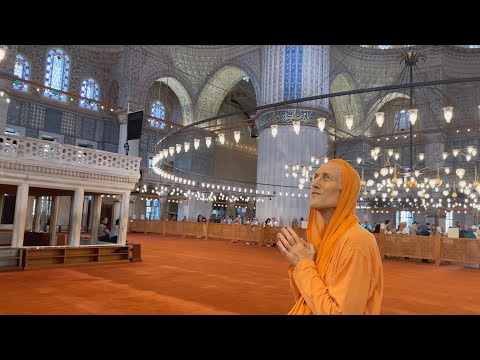
Nestled in the historical heart of Istanbul, the Sultan Ahmed Mosque, universally known as The Blue Mosque, stands as a masterpiece of Ottoman architecture combined with Islamic art. Constructed during the reign of Sultan Ahmed I between 1609 and 1616, this mosque isn’t just a place of worship but a beacon of historical richness and architectural grandeur. For travelers visiting Istanbul, The Blue Mosque offers a profound glimpse into the past along with an enduring image of artistic and spiritual ambiance.
### Architectural Marvel
Designed by architect Sedefkâr Mehmed Ağa, a student of the legendary Sinan (considered one of the greatest architects of the classical Ottoman era), The Blue Mosque is famed for its harmonious proportions and unity of design. One of its most distinctive features is its six minarets, a number that was originally controversial as it equaled the number at Mecca’s sacred mosque. However, after adding another minaret to Mecca’s mosque, Sultan Ahmed I managed to quell discontent.
The mosque gets its nickname from its interior decoration comprising predominantly blue İznik tiles—over 20,000 handmade ceramic tiles adorn the mosque’s interior. Illuminated by 260 windows which were once filled with 17th-century stained glass (now mostly replaced with modern equivalents), these tiles feature flowers, fruit trees, and abstract patterns that create an atmospheric glow inside this sacred space.
### Spiritual Experience
Despite being a major tourist attraction that welcomes thousands daily, The Blue Mosque remains active as a place of worship. Visitors are advised to time their visits outside prayer times out of respect for those who come to perform their religious duties. As tourists enter this holy place,
they are expected to adhere to respectful dress codes; arms and legs should be covered and women are required to wear headscarves.
Inside, visitors can experience not only the aesthetic pleasure but also sense the tranquility and reverence inherent within this large prayer space which can accommodate up to 10,000 people. This atmosphere is enriched particularly during Ramadan when nightly prayers add layers of spiritual energy within its walls.
### Cultural Legacy
The Blue Mosque also embodies Istanbul’s historical identity—a city straddling two continents and symbolizing a fusion between East and West. It sits opposite Hagia Sophia—an iconic Byzantine structure—which served as both an Orthodox Christian cathedral and an Ottoman imperial mosque over its storied history. This juxtaposition highlights Istanbul’s deep multicultural layers and centuries-old religious dialogues.
Furthermore, visiting The Blue Mosque offers insights into Turkey’s own cultural canvas that incorporates vast influences from Roman architectural techniques to Byzantine artistry blended seamlessly into Islamic aesthetics.
### Tips for Visitors
When planning your visit:
– Check prayer times ahead since access is restricted during these times.
– Dress modestly.
– Best times for tourist visits are mid-morning or late afternoon.
– Do not forget to wander through the surrounding Hippodrome square—another historical treasure trove.
– Consider hiring a guide to fully appreciate the history behind each detail or opt for an audio guide available at entry points.
### Conclusion
A trip to Istanbul is incomplete without walking through the doors of The Blue Mosque. It offers more than just beauty; it serves as a symbolic reflection on peace through religious tolerance and cultural intermingling that has withstood many epochs in history. Whether you are drawn by faith or curiosity about history or architecture—the Sultan Ahmed Mosque envelops all aspects under its magnificent domes inviting everyone from around the world to witness its universal appeal.