
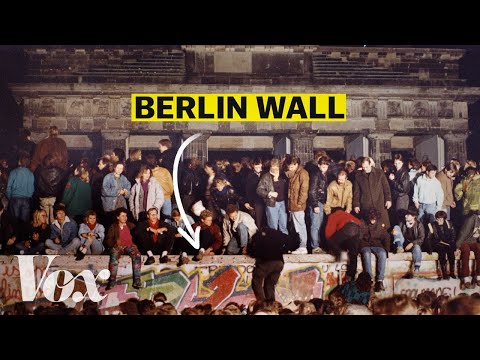
November 9, 1989, marks a pivotal moment in modern history—the fall of the Berlin Wall. This event did not just signify the physical demolition of a concrete barrier; it symbolized the dissolution of ideological divides, heralding an end to decades of Cold War tensions between East and West. However, what many may not realize is that the fall of this iconic structure was precipitated by a seemingly inconsequential bureaucratic mistake during a press conference.
#### The Background
For nearly three decades, the Berlin Wall stood as the most potent symbol of the division between East and West Germany. Erected in 1961 by the German Democratic Republic (GDR), or East Germany, its purpose was to prevent East Germans from fleeing to West Germany. The Wall encapsulated the broader ideological and physical separation between the communist bloc and the capitalist West during the Cold War.
As the 1980s progressed, under Mikhail Gorbachev’s leadership, the Soviet Union adopted more open policies like Glasnost (openness) and Perestroika (restructuring), which prompted calls for reform across Eastern Europe. Meanwhile, in East Germany, pressure mounted as more citizens demanded freedom and reform.
#### The Fateful Press Conference
The pivotal moment arrived unexpectedly on November 9, 1989. Earlier that day, Günter Schabowski, a member of East Germany’s Politburo—the principal policymaking committee—was handed a note announcing a change in travel regulations allowing East Germans to cross into West Germany more freely. This policy change was meant to be announced carefully since it required creating proper border checkpoints equipped with visa-processing capabilities.
However, at an evening press conference broadcast live on television—intended primarily to discuss ongoing political reforms—Schabowski casually read out from this note when asked about travel laws. He mistakenly implied that these new regulations were effective immediately.
When pressed by journalists about when these changes would take place, Schabowski shrugged off with an uncertain “immediately.” This misunderstanding rapidly spread among both domestic and international news outlets.
#### The Reaction
East Germans were glued to their televisions that night; many could hardly believe what they had heard. Word spread quickly: “The border is open!” Not fully grasping that Schabowski had made an error in his announcement timing and specifics, thousands rushed towards Berlin’s crossing points.
Caught off guard and unprepared for this sudden surge, border guards found themselves overwhelmed. Lacking direct orders but reluctant to use lethal force over what seemed like an official policy directive, they eventually opened gates at checkpoints such as Bornholmer Straße—a decision met with euphoria as jubilant crowds surged through into West Berlin.
This spontaneous act turned into a night-long celebration where Germans from both sides climbed atop their grim divider—one they had lived with for almost thirty years—to chip away at it with hammers and picks; all united in their quest for freedom.
#### The Aftermath
The blunder at the press conference catalyzed a series of events leading swiftly towards German reunification within less than a year on October 3, 1990. It also marked a significant acceleration in reform processes throughout Eastern Europe and eventually led to the dissolution of both Communism in Eastern Europe and even the Soviet Union itself by December 1991.
While it might have been started by one mistaken comment read out under glaring studio lights—an unintended miscommunication—it demonstrated how fragile totalitarian regimes can be when faced with popular aspiration for liberty.
The fall of Berlin Wall remains a testament not only to human yearning for freedom but also serves as an enduring reminder about how simple human errors can sometimes lead to monumental historical consequences—a quirky twist in history where fate hinges on serendipity more than strategy.