
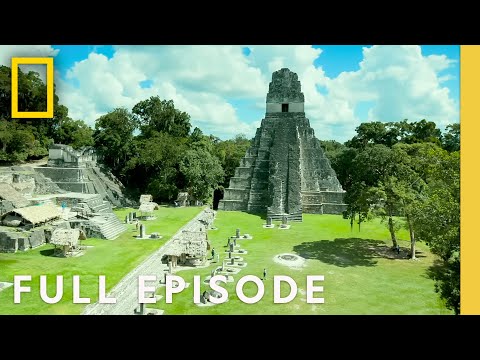
The ancient Maya civilization, known for its sophisticated culture, intricate calendrical systems, and towering pyramids, continues to captivate scholars and enthusiasts alike. National Geographic’s “Lost Treasures of the Maya” series ventures deep into the heart of Mesoamerica to unravel mysteries that have lain hidden for centuries beneath dense jungle canopies. One standout episode from this series, “The Mayan Ruins,” brilliantly encapsulates this journey of discovery and exploration.
**Narrative Journey and Expert Insights**
Hosted by the charismatic archaeologist and explorer Albert Lin, “The Mayan Ruins” episode is a treasure trove of adventure, science, and history. Lin leads viewers through breathtaking aerial views and thrilling excavations in some of the most remote areas where these ancient relics are found. The episode not only highlights the physical splendor of these architectural feats but also delves into what they signify about Mayan society, culture, and cosmology.
Using cutting-edge technology such as LIDAR (Light Detection and Ranging), which penetrates through the thick forest to reveal structures hidden beneath, Lin and his team uncover evidence of vast cities, sprawling networks of roadways, and elaborate agricultural infrastructure that challenge previous perceptions about Mayan civilization. This technology paints a picture of a highly sophisticated society that was much more extensive and interconnected than previously believed.
**Cultural Revelations**
One of the most compelling aspects explored in “The Mayan Ruins” is how these discoveries alter our understanding of Mayan culture. The ruins tell stories of innovation, resilience, and complexity. For instance, viewers get an up-close look at a newly discovered monument which may be key to understanding political history and conflicts among various Mayan city-states.
Added to this are discoveries related to Mayan astronomy. Precisely aligned structures provide new evidence on how the Maya were advanced in their astronomical observations which played a crucial role not only in their calendrical calculations but also in their daily lives and rituals.
**Human Stories Behind Archaeological Discoveries**
What truly enriches “The Mayan Ruins” episode are the human stories intertwined with each significant find. Through interviews with local experts and archaeologists who have devoted their lives to studying these ancient sites, viewers gain insight not just into what we learn from these ruins but why it matters.
For instance, discussions with local indigenous communities provide thought-provoking perspectives on cultural heritage and its implications today. These dialogues highlight how modern descendants view these discoveries as both a source of pride as well as a painful reminder of past atrocities during colonial times.
**Visual Splendor & Educational Value**
National Geographic is renowned for its stunning cinematography and “The Mayan Ruins” is no exception. The vivid drone shots over lush landscapes interspersed with detailed close-ups bring viewers directly into unexplored territories that many will never visit in person. This visual storytelling combined with educational content makes it an enriching watch for anyone interested in history or archaeology.
**Conclusion**
“The Mayan Ruins” episode from National Geographic’s “Lost Treasures of the Maya” stands out as an exemplary piece on several fronts: it’s an adventure into unknown worlds; a detailed scientific document; a narrative about resilience and innovation; but most importantly, it serves as an important educational tool that deepens our understanding of one of the world’s greatest civilizations—the Maya.
As we continue to uncover more about our past civilizations like that depicted in “Lost Treasures of the Maya,” we gain not only knowledge about human ingenuity but also lessons on sustainability and survival that are increasingly relevant in today’s world.