
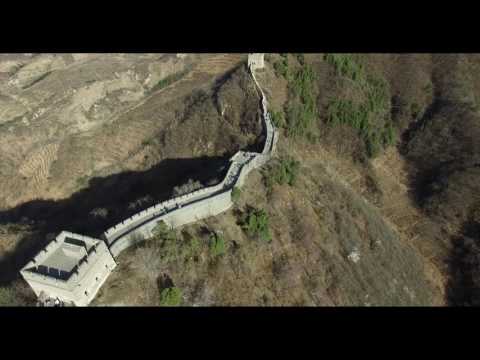
The Great Wall of China, one of the most iconic wonders of the world, stretches over 13,000 miles and traverses a vast array of landscapes from deserts to mountains and rivers. It is a profound testament to human ingenuity and determination, reflecting centuries of historical significance. Traditionally experienced on foot, today’s technology allows us to explore this architectural marvel in an unprecedented way – from the sky with drones that capture ultra-high-definition 4K video.
#### A New Perspective From Above
Aerial photography and videography have transformed how we view and understand the world. Employing drone technology to capture footage of the Great Wall offers a unique vantage point that was once impossible. The drones, equipped with high-resolution 4K cameras, can glide effortlessly along the length of the wall, providing detailed visual insights and highlighting aspects that are invisible from the ground.
#### The Journey Along The Wall
As we embark on our virtual tour via drone through 4K videos, every turret and watchtower comes alive in exquisite detail. The bird’s-eye view captures vast stretches which meander across northern China’s diverse topography—over rugged mountains like those at Jiankou, through lush valleys near Jinshanling, to stark desert environments in Jiayuguan.
The change in seasons also plays a magnificent role in these visual expressions. Filming during different times of the year can display dramatic shifts—a snowy white wall during winter contrasts sharply against blossoming trees lining its path during spring. Each season seems to tell its own unique story of this ancient structure.
#### Architectural Marvels Uncovered
The drone’s camera can zoom into specific architectural features which showcase Chinese engineering prowess. Viewers can see closely how bricks are laid out and how each part was constructed with purpose—for defense, for signaling upcoming attacks or even for housing soldiers. This precision is blended seamlessly with touches that underscore resilience against time and nature.
##### Watching History Unfold
In addition to architecture, these drone videographies also serve an educational purpose by illuminating historical contexts—like pointing out parts restored during different dynasties or areas that have eroded over centuries but still stand defiantly against natural elements. This immersive form of learning enables viewers to appreciate not just what they see but also understand the rich history that accompanies every segment of this vast fortress.
#### Technological Symphony
Operating a drone along such an extensive monument is no trivial task; it requires precise control and planning—not only considering battery life but also managing navigation around difficult terrains without losing visual aesthetics. The resulting footage is often a symphony of technology meeting artistry—a smooth flight over curves and edges set against high-resolution clarity offering minute textural nuances.
##### Environmental Considerations
While drones provide generous contributions toward education and beauty appreciation through non-intrusive means (as compared to tourist footfall), it’s crucial for operators to respect cultural norms and regulations established by Chinese authorities designed to protect such a significant heritage site.
#### Conclusion
Exploring the Great Wall of China through high-definition drone footage provides an evocative experience that highlights new dimensions about this global icon not previously accessible on foot or through traditional photography alone. It brings together history, technology, education, conservation awareness—all wrapped up into one splendid visual journey made possible by advancements in video technology.
This new perspective not only broadens our understanding but deepens our respect for such monumental human achievements while reminding us about ongoing responsibilities towards heritage conservation.