
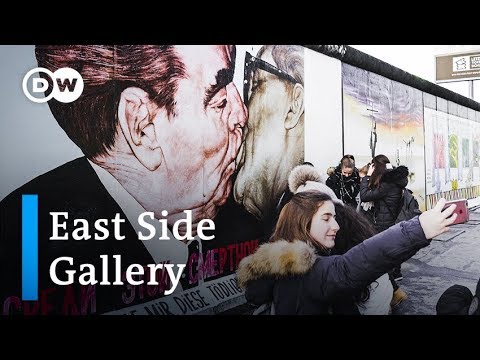
The fall of the Berlin Wall in November 1989 is one of the most significant events in recent history, symbolizing the end of the Cold War and the reunification of East and West Germany. Today, a remnant of this monumental structure stands not just as a relic of a divided past but also as a canvas that portrays powerful messages of hope, resilience, and unity. This is encapsulated within the East Side Gallery, one of Berlin’s most visited historical and artistic sites.
### A Canvas of History and Art
Located along the banks of the river Spree in central Berlin, the East Side Gallery stretches for 1.3 kilometers (approximately 0.8 miles), making it one of the longest remaining sections of the Berlin Wall. After its fall, artists from around the world came to this spot to express their feelings about this momentous change through their art. In 1990, over 100 artists from more than 20 countries transformed what was once a symbol of oppression into an open-air gallery adorned with over a hundred murals.
One of the most iconic images that grace this historic stretch is Dmitri Vrubel’s “My God, Help Me to Survive This Deadly Love,” depicting a fraternal kiss between Soviet leader Leonid Brezhnev and East German President Erich Honecker. This image not only captures an ironic commentary on political realities but has also become synonymous with Berlin’s vibrant art scene.
### Preservation Challenges
The gallery faces significant preservation challenges due to its exposure to weather conditions and vandalism. Over time, many original artworks have deteriorated or been defaced. Efforts for preservation started back in 2000 when non-profit organizations formed alliances with public bodies to restore and conserve these artworks for future generations.
In recent years, there have been concerted efforts funded by both private entities and government bodies to restore damaged murals and protect them against vandalism and erosion. These endeavors underscore not only cultural valuation but also respect for historical context which is crucial for educational purposes.
### A Site for Reflection
For visitors today, walking along the East Side Gallery serves as a poignant reminder not only of Germany’s divided past but also its journey toward becoming a beacon of freedom and cultural diversity. Each painting tells its own story; some evoke deep emotions about freedom and injustice while others use satire to comment on political events.
Moreover, as an open-air gallery accessible all year round without any entry fee, it offers an inclusive space where visitors can engage directly with history outside traditional museum layouts or guided tours.
### The Unmissable Experience
Visiting East Side Gallery is unmissable for anyone coming to Berlin — it provides insight into how historical narratives can be shaped by creative expression. Whether you’re an art lover or history enthusiast or simply looking for inspiration – each mural offers something unique that speaks universally about human emotions tied up within historical contexts.
Additionally, various guided tours are available which provide deeper insights into individual pieces’ backgrounds enhancing visitor experiences through expert storytelling related directly to each visual masterpiece on display.
### Conclusion
The East Side Gallery stands out as more than just a segment of concrete – it’s a profound embodiment representing monumental changes that swept over Germany and beyond; showcasing democracy’s triumph over division through artistic expressions that continue resonating globally even today.
As Berlin continues evolving while respecting its past represented vividly at this historic site; visitors leave enriched understanding global shared histories better — making every stride along this iconic gallery one filled with reflections on how far societies can come when unity prevails over division.