
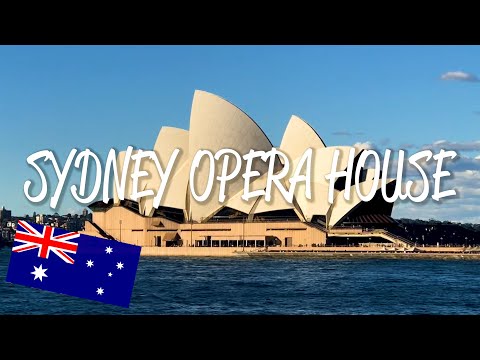
Nestled on the edge of Sydney Harbour, the Sydney Opera House stands as an iconic symbol of both Australia and architectural ingenuity. Designated a UNESCO World Heritage Site in 2007, this masterpiece transcends its role as a performance venue by embodying innovation and beauty, making it one of the most recognizable buildings in the world.
### Architectural Wonder
The story of the Sydney Opera House begins with its unique and captivating design by Danish architect Jørn Utzon. His visionary proposal won an international design competition in 1957, beating 232 entries from over 30 countries. Utzon’s design was revolutionary, featuring a series of large precast concrete shells that form the roofs of the structure’s multiple venues. These shell-like structures are set upon a vast platform and are covered with more than a million Swedish tiles that gleam white under the Australian sun.
Despite numerous challenges during construction, including engineering difficulties, political controversies, and spiraling costs which eventually led to Utzon’s resignation from the project, the building was completed and officially opened by Queen Elizabeth II on October 20, 1973. The final cost was $102 million AUD—a stark contrast from the initial estimate of $7 million AUD.
### Cultural Significance
The Sydney Opera House is not just an architectural feat but also a vibrant cultural hub. It houses multiple performance venues including a concert hall, opera and drama theatres, a playhouse, and a studio. It is home to organizations like the Australian Ballet, the Sydney Theatre Company, and Opera Australia—the third busiest opera company in the world.
The building’s design with its soaring white roof shells set against blue waters epitomizes creativity and daring. It has become synonymous with artistic inspiration and is considered to be an unrivaled icon among twentieth-century buildings for its innovative approach to construction material usage and structural design.
### UNESCO World Heritage Recognition
UNESCO recognized the Sydney Opera House as a World Heritage Site for its “outstanding universal value”, describing it as one of “the indisputable masterpieces of human creativity.” The designation underscores not only its architectural significance but also its cultural impact—serving as both a tourist attraction drawing millions each year and a center for performing arts.
In their citation, UNESCO highlighted how Utzon’s creation pushed boundaries—both technically and artistically—and how his work harmonizes with its surroundings at Bennelong Point. This prestigious recognition places it alongside other global landmarks such as Machu Picchu or The Great Wall of China.
### Legacy
The legacy of Jørn Utzon was further cemented when he received architecture’s highest honor posthumously—the Pritzker Prize—in 2003; an acknowledgment that came decades after his original departure from the project due to disputes. Finally reconciled with his masterpiece, Utzon contributed to refurbishments before his death in 2008.
Today’s visitors can enjoy guided tours exploring not only performances but also behind-the-scenes insights into this extraordinary building’s history and functionality. Additionally, ongoing renovation efforts ensure that it continues to meet modern technical standards while preserving its historical integrity.
### Conclusion
In summation, the Sydney Opera House is more than just a venue for art; it is itself a piece of art—a beacon of artistic excellence that continues to inspire worldwide audiences. Its status as part jewel in Australia’s cultural crown ensures that it will continue to enchant generations for years to come.