
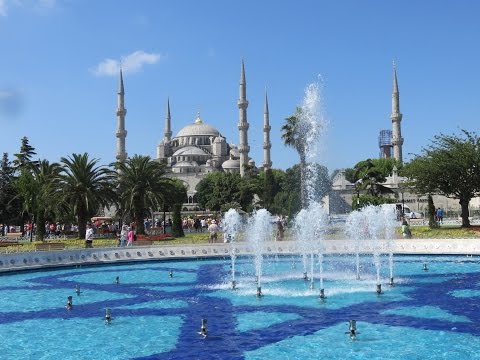
Nestled amidst the historic fabric of Istanbul, Turkey, the Sultan Ahmed Mosque, widely known as the Blue Mosque, stands as a splendid example of Ottoman architecture and a symbol of Islamic artistry. Built between 1609 and 1616 during the reign of Sultan Ahmed I, this exquisite structure is not only an active place of worship but also a major tourist attraction that draws millions from around the globe.
#### Historical Context
The decision to build the Sultan Ahmed Mosque was born out of a desire to reassert Ottoman power and glory. This architectural undertaking was somewhat political, intended to overshadow the nearby Byzantine Hagia Sophia, which had been converted into a mosque after Constantinople’s conquest in 1453. The mosque was designed by Mehmet Aga, a student and senior assistant of Sinan – considered one of the greatest architects in Ottoman history.
#### Architectural Splendor
The architecture of the Blue Mosque is noted for its harmonious proportions and unity of design. It incorporates some Byzantine elements of the neighboring Hagia Sophia with traditional Islamic architecture and is considered one of the last great mosques built during the classical period.
One distinguishing feature is its six minarets, an unusual number that caused controversy as it equaled those at Mecca’s Great Mosque. To resolve this, Sultan Ahmed I funded a seventh minaret for the Mecca mosque.
The mosque’s exterior boasts intricately decorated domes and semi-domes that cascade down to create a hierarchical composition. However, it’s perhaps most famous for its interior lined with over 20,000 handmade İznik style ceramic tiles in various tulip designs and more than 200 stained glass windows that bathe its inner chambers in ethereal light. The predominant color blue in these tiles gives this magnificent building its nickname: “The Blue Mosque.”
#### Religious Significance
The Blue Mosque remains an active house of worship today; it holds up to five daily prayers attended by locals and visitors alike. The architectural design includes a spacious forecourt which itself is almost as large as the mosque itself – designed specifically for prayer (known as namaz).
#### Cultural Impact
Beyond its religious significance, Sultan Ahmed Mosque has become synonymous with Istanbul’s identity – representing a fusion between traditional Islam and modern Turkish culture. It also plays an invaluable role in promoting cultural dialogue and understanding through tourism.
Every year thousands participate in both cultural festivities and spiritual ceremonies within its walls – further testament to its enduring relevance both locally and internationally.
#### Visiting The Blue Mosque
Visitors should note that while there are specific visiting hours outside prayer times when tourists can explore this venerable structure free of charge, appropriate etiquette such as dress code should be strictly observed out of respect for its sacredness.
Inside, aside from admiring its architectural features like soaring ceilings adorned with intricate calligraphy bands alongside mosaics bathed in light filtered through opulent chandeliers; visitors can also observe many faithful engaged in prayer offering them insights into Muslim religious practices.
#### Conclusion
In summing up this marvel called Sultan Ahmed Mosque or The Blue Mosque – we see how it embodies both monumental achievement in architectural terms along with profound depths concerning cultural heritage making it one beyond mere sightseeing destination but rather experience unto itself within vibrant cityscape Istanbul.