
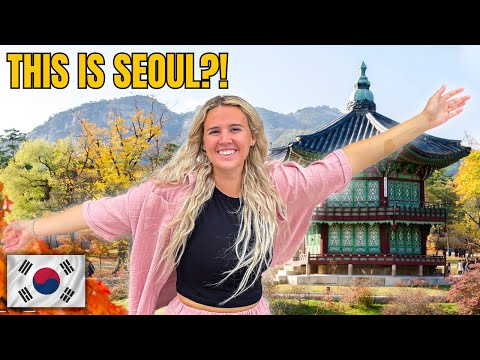
Nestled in the heart of South Korea’s bustling capital, Seoul, Gyeongbokgung Palace stands as a grand symbol of the country’s rich history and cultural heritage. Often referred to as the “Northern Palace” due to its location compared to the neighboring palaces of Changdeokgung (Eastern Palace) and Gyeonghuigung (Western Palace), it is arguably the most beautiful and remains the largest of all palaces. As one of Seoul’s most iconic landmarks, this palace draws millions of visitors each year who come to admire its architecture and delve into its storied past.
## A Stroll Through History
Gyeongbokgung, which means “Palace Greatly Blessed by Heaven,” was constructed in 1395 as the primary palace of the Joseon dynasty by King Taejo, the dynasty’s founder. It was intended to serve as a seat for kings, government officials, and as a venue for hosting important state affairs. The palace complex is a breathtaking example of traditional Korean architecture, influenced heavily by Chinese geomantic principles, which dictated its harmonious integration with nature.
The original palace was tragically destroyed by fire during the Imjin War (1592-1598) as it was invaded by Japanese forces. It lay in ruins for nearly three centuries until King Gojong initiated restoration efforts in 1867, bringing back to life approximately 500 buildings spread over an area exceeding 410,000 square meters.
## Architectural Splendor and Cultural Significance
Visitors entering Gyeongbokgung are greeted by Gwanghwamun Gate – the main gate standing majestically at its entrance. This gate itself is an iconic structure representing Korean culture and history. Beyond it lies Geunjeongjeon Hall – the throne hall where kings were crowned, foreign envoys received, and significant state affairs conducted.
One cannot miss Hyangwonjeong Pavilion – perhaps one of the most photographed sites within Gyeongbokgung. This two-story hexagonal pavilion stands serenely upon an artificial island in a lake named Hyangwonji Pond. Its accessible via a bridge named Chwihyanggyo Bridge – originally wooden but now reconstructed in stone.
The architectural design throughout Gyeongbokgung showcases unique elements such as multi-colored dancheong (traditional multicolored paintwork on wooden buildings), stone sculptures guarding royal tombs, ornately decorated roofing tiles that symbolize prosperity and longevity—each feature holding deep historical significance.
## A Living Museum
Today’s Gyeongbokgung isn’t just an ode to ancient times; it continues to play a vital role in current cultural discourse. The National Folk Museum and The National Palace Museum are located on its grounds providing deeper insights into Korean history from prehistoric times to modern era through well-preserved artifacts.
Everyday visitors can witness changing of guards—a recreation of royal guard activity that took place during Joseon period—in front of Gwanghwamun Gate offering a glimpse into military costumes, weapons, and rigorous training regimes from centuries ago.
Additionally, special events like reenactments of royal ceremonies or traditional music concerts are regularly hosted within the premises making it not just a feast for eyes but also souls seeking cultural indulgence.
## Conclusion
Gyeongbokgung Palace isn’t merely an architectural marvel; it stands as testament to Korea’s resilience and ability to preserve its history amid harrowing invasions and modernizations. For anyone visiting Seoul or delving into South Korea’s past, this landmark offers an unparalleled exploration into not only Joseon dynasty’s political epicenter but also a serene retreat reflecting philosophical ideals woven into their way of life.
Whether you’re exploring vibrant markets nearby or admiring panoramic views from nearby Bukhansan Mountain—Gyeongbokgung provides context grounding ephemeral delights with enduring substance making it truly Seoul’s most popular landmark.