
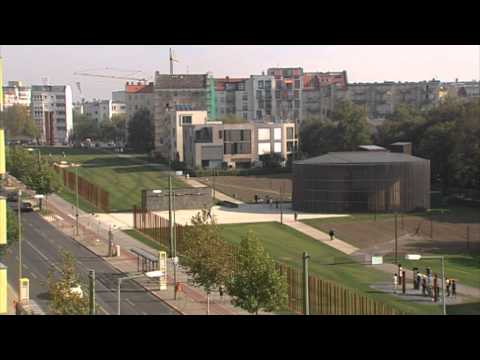
In the heart of Berlin stands a remarkable monument that not only commemorates a pivotal moment in modern history but also educates and inspires its visitors. The Berlin Wall, a potent symbol of the Cold War’s division between East and West, has been immortalized in various forms of media over the decades. Among them, the official film of the Berlin Wall Memorial stands out as a particularly poignant and insightful long-form documentary that captures the essence and impact of this historic barrier. This article explores the film’s narrative, its historical context, and its significance as an educational tool.
## Historical Context
Constructed in 1961, the Berlin Wall was much more than a physical barrier; it was a manifestation of ideological conflict and a literal division between freedom and oppression. For 28 years, it dissected families, communities, and an entire nation until its fall in November 1989 became a global symbol of liberty.
## The Genesis of the Film
The idea for an official film emerged from the need to preserve this historical memory for future generations who would not have lived through these events. Produced by an acclaimed team of historians, filmmakers, and experts in Cold War history, the project aimed to offer an authoritative yet engaging account of the Wall’s history.
## Exploring the Documentary
The long version of this official film extends beyond mere facts and figures. Running approximately 90 minutes, it delves deep into personal narratives intertwined with rigorous historical analysis. It begins with an examination of post-World War II Europe when mounting tensions led to Germany’s division. The film uses archival footage combined with contemporary interviews to offer viewers multiple perspectives — from those who governed to those who were governed.
## Personal Stories at Forefront
What sets this documentary apart is its focus on individual stories. Through interviews with former East German citizens who attempted escapes or lived daily under surveillance, viewers gain insights into the human aspects behind historical events. The testimonials are juxtaposed with accounts from guards and officials on East Germany’s side to provide a balanced view.
## Interactive Visual Storytelling
The visual style of this documentary employs both black-and-white archival footage along with vibrant current-day shots that trace where pivotal events happened along what once was no-man’s land. This contrast not only visually represents past versus present but also illustrates how memories linger on in physical spaces.
## Educational Impact
Beyond its commemorative value, one key objective is educating new generations about democracy’s fragility and resilience. Schools across Europe have incorporated this documentary into their curriculum to help students understand how global political decisions can deeply affect local realities.
## Reception & Accessibility
Since its release at special screenings at various historical museums around Germany before becoming available online through academic portals as well as via public streaming services ensures wide accessibility.
## Conclusion
The official film version presented at Berlin Wall Memorial offers more than just another retelling; instead it provides comprehensive insights into how geopolitical dynamics can infiltrate ordinary lives causing disruption yet also prompting eventual reunification and healing. This long version is particularly effective due to its detailed exploration which does justice to such complex subject matter ensuring that while the wall itself might have fallen—the stories and lessons remain standing firmly within collective memory engaging audiences worldwide towards reflection on past conflicts continuing relevance today.