
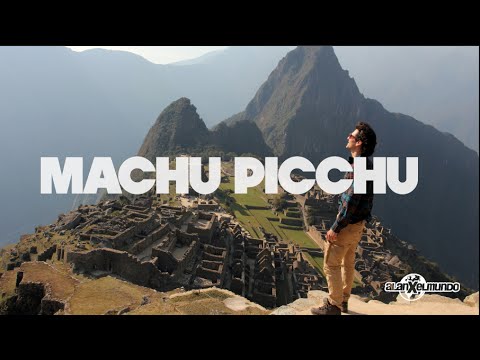
Nestled high in the Andes Mountains of Peru, Machu Picchu stands as one of the most iconic and breathtaking archaeological sites in the world. This ancient Inca citadel, often shrouded in mist and mystery, was unknown to the outside world until its rediscovery by American historian Hiram Bingham in 1911. Since then, it has captivated scholars and tourists alike, offering a window into the ingenuity and culture of the Inca civilization.
#### Historical Significance
Machu Picchu, which translates to “Old Peak” in Quechua, the language of the Incas, was built in the mid-15th century under the rule of Emperor Pachacuti. It is believed to have served as a royal estate for Inca nobility or perhaps as a religious site. The precision with which the structures are built and their alignment with astronomical events suggest that Machu Picchu held both practical and ceremonial significance.
The site was constructed at an altitude of 2,430 meters (7,970 feet) above sea level. Surrounded by towering green mountains and overlooking the swirling Urubamba River below, its location speaks not only to its defensive advantages but also to its spiritual importance. The Incas revered natural elements such as earth and water, integrating these into their architecture.
#### Architectural Marvel
The ingenuity of Incan engineering is evident throughout Machu Picchu. The site features more than 150 buildings ranging from temples and sanctuaries to baths and houses, as well as over 100 flights of stone steps – many carved from a single block of granite.
One of the most astounding aspects is how well these structures have withstood earthquakes over centuries; thanks largely to a technique called ashlar masonry. Stones are cut so precisely that they fit together tightly without mortar. Their trapezoidal shapes and rounded corners allow them to move slightly during seismic activity but settle back into place afterwards.
Notable structures within Machu Picchu include the Temple of the Sun, Intihuatana (a ritual stone associated with astronomy), and Room of Three Windows located in what is believed to be a sacred plaza area.
#### Modern-Day Impact
Today, Machu Picchu is recognized both as a UNESCO World Heritage Site (since 1983) and one of the New Seven Wonders of the World. It attracts hundreds of thousands of visitors each year who journey along old Incan paths including the famous Inca Trail to witness firsthand its historical grandeur.
However, this increase in tourism also poses significant challenges such as environmental degradation and physical stress on ancient stones. Peruvian authorities have implemented measures like limiting daily visitor numbers and requiring that tourists enter with an official guide to help preserve this precious site for future generations.
#### Conclusion
Machu Picchu remains one of Peru’s most valuable treasures – an enchanting relic that continues to reveal secrets about advanced pre-Columbian societies. Whether visited for its historical significance or stunning natural beauty, it leaves an indelible mark on all who traverse its sacred land.
As efforts continue to conserve its delicate ecosystem and archaeological wonders while accommodating global interest, Machu Picchu stands resilient – much like it has for centuries against natural elements – continuing our connection with history deep into modern times.