
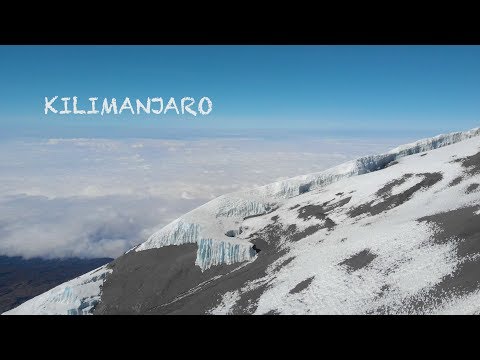
Mount Kilimanjaro, Africa’s highest peak, has long been a subject of awe and inspiration, drawing climbers from around the globe to conquer its heights. Standing at about 5,895 meters (19,341 feet) above sea level, this dormant volcano in Tanzania is not only a natural wonder but also a favorite subject for photographers and videographers. With advancements in technology, capturing the grandeur of such landscapes has reached new heights—quite literally—with the use of drones. Let’s explore how drones equipped with 4K cameras are revolutionizing our view and appreciation of Mount Kilimanjaro.
#### The New Perspective
Drones offer a unique vantage point that was once only possible via expensive helicopter rides or sophisticated equipment setups. Equipped with high-resolution 4K cameras, these flying marvels can record ultra-high-definition video footage, providing crystal clear images even from great distances. For Kilimanjaro, this means aerial shots that showcase its sprawling base and detailed textures that run up through its diverse climatic zones to its snowy summit.
#### The Filming Experience
Capturing Mount Kilimanjaro using a drone begins with understanding the area’s geographic and climatic conditions. Piloting a drone at high altitudes poses unique challenges due to thin air and unpredictable weather patterns. However, modern drones are built to withstand slight winds and can operate in cooler temperatures found at higher elevations.
Preparation involves careful planning regarding battery life—a crucial element given the cold environment which can drain battery power quicker than usual—and memory storage for capturing hours of 4K footage. Additionally, operators must secure all necessary permissions and licenses required by Tanzania’s aviation authorities to fly drones in national parks or near protected areas.
#### Ethical Considerations
While drones can go places where many photographers cannot tread without leaving an environmental footprint, it’s essential to operate them responsibly to minimize disturbances to wildlife. Birds, for instance, could see drones as predators or rivals and react defensively. Understanding local wildlife behavior and peak migration times becomes part of the preparation process.
#### The Visual Storytelling
The real magic happens in post-production where hours of aerial footage are edited to highlight Kilimanjaro’s grandeur while telling a compelling story about this iconic landmark. From the lush rainforests at its base through alpine deserts midways up to its icy summit glaciers—each ecological zone unfurls beneath drone lenses in stunning clarity and vibrant color unmatched by standard filming methods.
Documentaries produced using 4K drone footage provide viewers an immersive experience as if they were soaring over Kilimanjaro themselves. This not only brings new appreciation for its beauty but also fosters greater awareness around conservation challenges facing this majestic mountain.
#### Conclusion
As technology marches forward, so too does our capability for discovery and storytelling. Drones have introduced us not just to new views but new visions of places we thought we knew well. Mount Kilimanjaro filmed in 4K from a drone isn’t just about showcasing a mountain; it’s about redefining our connection with nature from new perspectives—encouraging preservation efforts through unparalleled visual advocacy.
In capturing such splendor from above, filmmakers remind us why places like Kilimanjaro need protecting—not just for their scenic value but as critical ecosystems supporting diverse flora and fauna. Thanks to these technological advancements in videography, we can now appreciate Earth’s wonders in greater detail than ever before—and be moved by them all over again.