
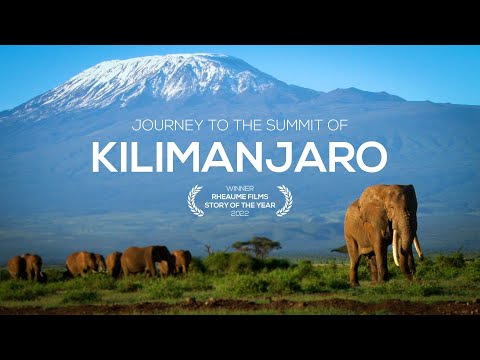
Mount Kilimanjaro, the highest peak in Africa, stands majestically at about 5,895 meters (19,341 feet) above sea level. This colossal mountain is not only a geographical wonder but also a symbol of personal achievement for the thousands who embark on the journey to its summit each year. Climbing Kilimanjaro offers a unique blend of breathtaking landscapes, challenging trekking conditions, and deep personal introspection.
### Preparing for the Climb
The preparation for climbing Kilimanjaro begins months before setting foot on the mountain. Physical fitness is crucial, as the trek involves multiple days of walking up steep trails at high altitude. Commonly, climbers engage in cardiovascular exercises such as running and cycling and practice hikes to simulate the conditions on Kilimanjaro.
Choosing the right gear is equally important. Essential items include thermal clothing, sturdy hiking boots, a sleeping bag suitable for sub-zero temperatures, and a reliable backpack. Moreover, understanding altitude sickness and knowing how to mitigate its effects are critical parts of preparation.
### Choosing a Route
Kilimanjaro offers several routes to the summit, each with its own set of challenges and scenic rewards:
– **Marangu Route:** Often referred to as the “Coca-Cola” route because it is considered the easiest path due to its more gradual slope and sleeping huts along the way.
– **Machame Route:** Known as the “Whiskey” route; more difficult but incredibly scenic with steeper paths through diverse landscapes.
– **Lemosho Route:** A longer hike that starts from Lemosho on the Western side and allows more time for acclimatization.
– **Rongai Route:** Approaches from the north and is considered one of the quieter routes.
Each route takes between five to nine days depending on speed and acclimatization needs.
### The Trek Experience
Starting from lush rainforests filled with exotic wildlife, climbers quickly ascend through layers of ecological zones into moorland filled with giant heather then alpine desert before finally arriving at an arctic summit environment. Each zone presents its own difficulties from muddy paths in rainforests to loose gravel in alpine deserts.
Acclimatization days are essential where climbers take short hikes to higher altitudes then return lower to sleep – this helps mitigate altitude sickness which can be dangerous if ignored. Nights are spent in tents or huts depending on which route is chosen; evenings are generally used for rest as climbers recharge for early morning treks which often begin before dawn.
### Reaching Uhuru Peak
The ascent to Uhuru Peak typically begins around midnight or later so that climbers can reach Uhuru Peak around sunrise. This final push known as “the summit night” tests every climber’s endurance both physically and mentally due to extreme cold (-20°C/-4°F or lower), reduced oxygen levels at higher altitudes, and overall fatigue from previous climbing days.
Reaching Uhuru Peak just as sunrise casts golden hues across glaciers provides one of those rare moments where time seems to stand still—filled with emotions ranging from exhilaration after conquering personal limits to awe at nature’s vast beauty.
### Aftermath: Descent & Reflections
Descending from Uhuru Peak takes significantly less time than ascending but poses its risks due largely due slippery paths – particularly tougher if snow or ice has formed overnight – making proper attention essential even after celebrating reaching peak summit earlier same day!
Once back down at base camp many reflect upon their journey; they’ve not improved their physical capabilities but also grown mentally stronger having faced nature’s raw power firsthand while possibly forming lifelong bonds shared experiences fellow trekkers during climb often forge strong friendships based mutual support encouragement amidst adversity faced together en-route top Africa’s tallest mountain.
### Conclusion
Climbing Mount Kilimanjaro remains one most sought-after treks globally providing adventurers unparalleled experience immersing themselves nature testing their limits reaching new heights literally figuratively alike! Whether seasoned mountaineer or first-time high-altitude climber this journey offers something unforgettable every traveler seeking make memories last lifetime against backdrop some world’s most stunning natural landscapes.