
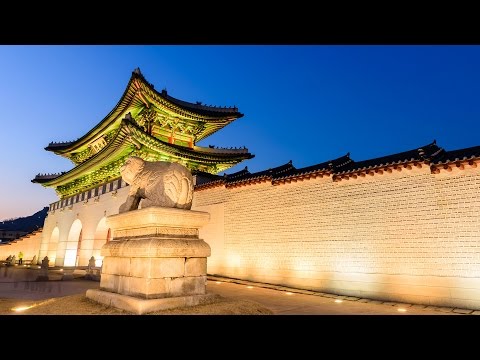
Nestled in the heart of Seoul, the capital city of South Korea, Gyeongbokgung Palace is not merely an architectural marvel but also a cultural treasure that encapsulates the history and spirit of the Korean people. Constructed in 1395 during the reign of King Taejo, the founder of the Joseon Dynasty, Gyeongbokgung, which means “Palace Greatly Blessed by Heaven,” was designed to be the grandest of all five palaces built during this time.
#### Historical Significance
Gyeongbokgung Palace served as the main royal residence for centuries until it was razed during the Imjin War (1592-1598) with Japan. The palace remained in ruins for almost three centuries until 1867 when King Gojong undertook a massive restoration project. However, much of the newly restored palace was destroyed again by Imperial Japan in the early 20th century. It wasn’t until 1990 that a comprehensive government-funded project was launched to meticulously restore Gyeongbokgung to its former glory.
Today, Gyeongbokgung stands as a proud symbol of Korea’s resilience and architectural ingenuity. It showcases traditional Korean architecture characterized by beautifully curved roofs adorned with colorful and intricate wooden patterns called ‘dancheong’, and buildings that harmoniously align with natural landscapes.
#### Architectural Layout and Aesthetic Appeal
Spanning an area of about 40 hectares (around 100 acres), Gyeongbokgung Palace houses numerous structures that were used for various purposes such as official ceremonies, royal affairs, and personal quarters for the king and queen. The main gate, Gwanghwamun, sets a majestic path leading into Geunjeongjeon Hall – used for important ceremonies like coronations – and is notable for its double-tiered stone platform and ornate wooden pillars.
Adjacent to it is Gangnyeongjeon Hall, serving as the king’s living quarters with connected sleeping chambers known as Heunghwamun. Perhaps one of its most enchanting features is Hyangwonjeong Pavilion; an exquisite two-story structure perched on an island within a large pond linked by Chwihyanggyo Bridge – one of Seoul’s iconic images.
#### Cultural Insights
Visiting Gyeongbokgung is not just about exploring its physical beauty but also immersing oneself in South Korea’s rich historical tapestry. The palace complex frequently hosts traditional events including Royal Guard Changing Ceremonies which provides a glimpse into ancient military practices featuring soldiers in Joseon-era uniforms carrying out their duties at various posts around the palace.
Additionally, visitors can don traditional Korean attire – hanboks – while exploring this ancient residence which adds another layer to experiencing Korea’s ancestral heritage up close. This activity has become increasingly popular among tourists seeking an experiential understanding while capturing picturesque moments against this historical backdrop.
#### Modern Relevance
In contemporary times, Gyeongbokgung remains not only a top tourist destination but also serves as a poignant reminder of Korea’s turbulent yet triumphant past juxtaposed against rapidly modernizing urban sprawl. It stands out as a serene sanctuary from Seoul’s bustling city life where modern skyscrapers are within eyeshot from ancient rooftops – illustrating Korea’s unique blend between preservation and progress.
#### Visiting Tips
For those planning to visit Gyeongbokgung Palace:
– Timing: The best times are early morning or late afternoon to avoid crowds and experience soft lighting perfect for photos.
– Guided Tours: Available in multiple languages including English; these tours provide deeper insights into each structure within the complex.
– Special Events: Try visiting during national holidays or special events when additional cultural performances are scheduled.
Gyeongbokgung Palace offers not just a journey through extravagant halls or across scenic bridges but invites visitors into centuries-old narratives echoing through hallways where kings once walked – making it an indispensable part of any itinerary to South Korea that seeks both beauty and enlightenment through travel.