
**Introduction:**
Spanning thousands of miles across northern China, the Great Wall stands as a symbol of both the architectural genius and the tumultuous history of ancient Chinese civilizations. This monumental structure, often mythologized in its magnificence and storied past, continues to captivate the imagination of people worldwide. This article delves into the history, construction, significance, and modern-day relevance of this remarkable feat of engineering.
**Historical Background:**
The construction of the Great Wall began in the 7th century BC when several state walls were erected during the Eastern Zhou Dynasty. However, the wall as known today primarily dates back to the Ming dynasty (1368-1644 AD), when most of it was rebuilt to protect against Mongol invasions from the north. The wall was built by soldiers, peasants, and prisoners who were forced into laboring on this colossal project.
**Engineering Marvel:**
The architecture of the Great Wall is a testament to ancient Chinese engineering skills. It stretches over 13,000 miles (21,000 kilometers) from east to west China — making it one of humanity’s most significant building achievements. Its construction incorporated materials readily available in each region including earth, wood, bricks, and stones. The wall traverses a variety of terrains from deserts to mountains topping ridges where it served as a high vantage point against invaders.
**Cultural and Strategic Significance:**
Beyond its immediate military utility in fending off invasions, the Great Wall also symbolized the psychological barrier between Chinese civilization and that considered barbaric. It delineated economic boundaries and controlled trade along the Silk Road by imposing duties on goods transported along this vital trade route.
Culturally, it has come to signify strength and endurance—the embodiment of a national spirit resisting adversity. Legends such as that of Meng Jiangnü whose tears brought down a section of the wall upon learning her husband died during its construction narrate deeply emotional connections with its history.
**Tourism and Preservation:**
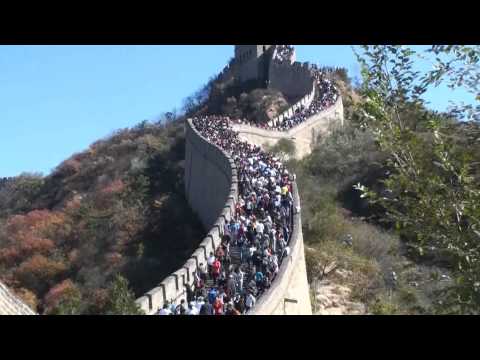
Today, sections like Badaling or Mutianyu just outside Beijing serve as major tourist attractions drawing millions yearly who marvel at its grand scale and panoramic views. However, tourism coupled with natural erosion has led to significant wear on parts of this ancient structure prompting efforts for preservation.
Conservationists are faced with challenges ranging from vandalism to natural decay due to vegetation growth that threatens structural integrity. Restoration projects have been undertaken with varying degrees of success; however debate persists between preserving authenticity versus maintaining safety for visitors.
**Modern Symbolism:**
In contemporary times, The Great Wall symbolizes far more than historical separation or protection—it underscores global unity featuring prominently in international media including films and literature which portray its majestic presence amidst dramatic landscapes.
It has also been used diplomatically as an emblematic backdrop for talks by leaders seeking common ground on pressing global issues such as climate change or trade policies thus continuing its legacy as a powerful icon beyond mere physical dimensions.
**Conclusion:**
The Great Wall is much more than just an ancient relic; it is a living monument that tells countless stories through each brick laid down by human hands driven by survival instincts necessity innovation resilience endurance love loss hope despair—all human emotions intertwined within these mighty stones.
Through ongoing conservation efforts future generations will hopefully continue exploring learning from reflecting upon this great testament not only Chinese civilization but also universal human values spirit endeavors throughout ages immemorial.