
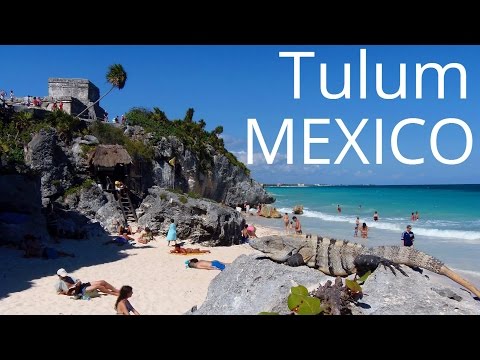
Perched on the rugged cliffs overlooking the turquoise waters of the Caribbean Sea, the Mayan ruins of Tulum stand as one of Mexico’s most picturesque archaeological sites. This pre-Columbian city, once a thriving seaport, offers a unique insight into Mayan civilization and an opportunity for visitors to step back in time amidst stunning natural beauty.
### A Glimpse into History
Tulum holds historical significance due to its status as one of the last cities inhabited and built by the Maya. It was an important trading hub that flourished between the 13th and 15th centuries, connecting sea and land trade routes incorporating valuable goods such as obsidian, textiles, and precious stones. The city was still occupied during the initial Spanish conquest of the Yucatán Peninsula but was eventually abandoned by the end of the 16th century.
The name ‘Tulum’ translates to ‘wall’ in Yucatec Maya, a reference to its thick walls that served as fortifications against invasions and storms. Originally known by its inhabitants as Zama, meaning ‘City of Dawn,’ it is an apt description given its position facing the sunrise over the Caribbean Sea.
### Architectural Marvels
The architecture of Tulum is typical of other sites on the east coast of the Yucatán Peninsula with buildings constructed from limestone and covered with stucco surfaces. Visitors can explore several well-preserved structures including:
– **El Castillo:** Dominating the site, this building served both as a temple and a fortress. Its strategic position on a cliff edge not only provides breathtaking views but also made it an effective lookout for incoming ships.
– **The Temple of Frescoes:** Known for its well-preserved frescoes which depict figures that are believed to be connected to Mayan mythology along with representations of trees, animals, and scenes from daily life; this temple showcases the artistic richness of the Mayans.
– **The Temple of The Descending God:** This temple is dedicated to a deity represented descending headfirst towards Earth. Intriguingly consistent across various buildings in Tulum are carvings and reliefs depicting this figure.
### Mystical Atmosphere
There’s an undeniably mystical atmosphere that pervades Tulum’s ruins. The sound of waves crashing against cliffs below forms a constant backdrop that enhances both tranquility and awe for visitors walking among these ancient stone structures.
### Eco-Cultural Tourism
Today’s visitors can enjoy guided tours that provide insights into Mayan culture, architecture, astronomy, and religion while emphasizing conservation efforts essential for preserving this UNESCO World Heritage site. Apart from historical exploration, tourists can also engage in snorkeling or diving in nearby cenotes—natural sinkholes filled with fresh water—that were considered sacred by the Maya.
### Practical Advice for Visitors
When planning your visit:
– **Timing:** Go early in morning or late afternoon to avoid peak crowds.
– **Protection:** Bring sunscreen, hats, and water – coastal Tulum can be quite hot.
– **Respect:** Remember it’s a protected archaeological site; touching monuments or climbing on ruins is prohibited.
– **Local Enhancements:** Consider hiring local guides who offer insights not just about history but also about local flora and fauna.
### Conclusion
Tulum is more than just an archaeological site; it’s a window into ancient human ingenuity set against nature’s masterpiece. For those fascinated by history or simply enamored by beautiful landscapes, Tulum provides an unforgettable cultural heritage experience where past civilizations echo amidst natural splendor.
Whether you’re a scholar keen on deciphering ancient glyphs or a traveler eager for picturesque sunrises over azure waters—the ruins at Tulum offer something magical for every visitor.