
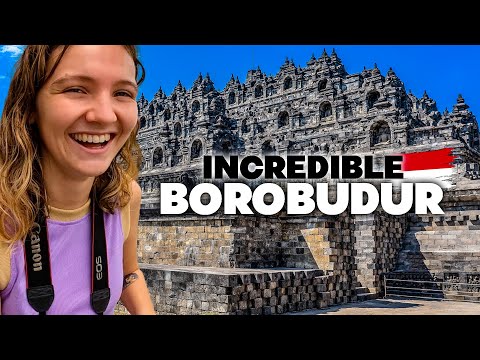
Nestled in the heart of Java, Indonesia, the Borobudur Temple stands as a majestic monument of both historical and spiritual significance. Recognized as the world’s largest Buddhist temple, this UNESCO World Heritage site attracts visitors from across the globe, drawn by its stunning architecture and profound tranquility. If you’re planning a visit to this iconic site, here’s everything you need to know to make your experience both enriching and memorable.
#### History and Significance
Built in the 9th century during the reign of the Sailendra Dynasty, Borobudur is an outstanding example of cultural exchange and architectural ingenuity from ancient Java. The structure is composed of nine stacked platforms, six square and three circular, topped by a central dome. It is adorned with 2,672 relief panels and 504 Buddha statues. The temple symbolically represents the path to enlightenment as one moves through various levels of Buddhist cosmology—Kamadhatu (the world of desire), Rupadhatu (the world of forms), and finally Arupadhatu (the formless world).
#### Before You Go
**Best Time to Visit**: Borobudur is tropical year-round with a wet season from November through April. The best time for visiting is during the dry season between May and October when the weather is more predictable.
**Getting There**: Borobudur is located approximately 40 kilometers northwest of Yogyakarta. You can reach it by bus, car or joining a guided tour from Yogyakarta. The journey often takes around an hour.
**Entry Requirements**: Tickets can be purchased at the entrance gate or online via official platforms. As prices can change, check current rates before you visit.
#### What to See and Do
– **Sunrise Tour**: For an unforgettable experience, opt for a sunrise tour which starts around 4:30 AM. Watching the first rays of sunlight illuminate the stupas and statues is truly magical.
– **Guided Tours**: Knowledgeable local guides are available at reasonable rates near the entrance. They provide valuable insights into Javanese culture and Buddhist philosophy reflected in every corner of Borobudur.
– **Climb to The Arupadhatu**: Don’t miss climbing up to see the large central dome which features 72 Buddha statues seated inside perforated stupa shells.
– **Explore Reliefs**: Spend time exploring spectacular galleries adorned with expertly crafted reliefs depicting stories from Buddhist scriptures such as Lalitavistara Sūtra – these narrate various phases in Buddha’s life from birth to enlightenment.
– **Museum Visit**: The Karmawibhangga Museum located within walking distance from Borobudur provides deeper historical context about this majestic monument through its exhibitions on restoration processes and archaeological findings.
#### Practical Tips
– **Dress Appropriately**: Dress modestly out of respect for Borobudur’s religious significance; cover shoulders and knees.
– **Footwear**: Wear comfortable walking shoes as you’ll be doing lots of walking on uneven surfaces.
– **Stay Hydrated**: Bring water along since it can get quite hot during midday.
– **Photography Etiquette**: While photography is permitted almost everywhere within temple grounds without flash, be mindful not to disturb other visitors or engage in disrespectful acts like standing on stupa bases or climbing structures.
#### Beyond Borobudur
Once you’ve soaked in all that Borobudur has to offer, don’t hesitate to explore surrounding attractions:
– **Pawon & Mendut Temples**: These two smaller temples form part with Borobudur in what some scholars believe was an ancient pilgrimage route.
– **Mount Merapi Volcano Tour**: Adventurous visitors may enjoy a Jeep tour surrounding Indonesia’s most active volcano located just north-east off Yogyakarta city center.
Visiting Borobudur offers more than just sightseeing—it’s an opportunity for deep reflection within a monument that has stood testament against time. Whether you’re seeking spiritual solace or cultural exploration, this timeless Indonesian heritage site delivers beyond expectations.