
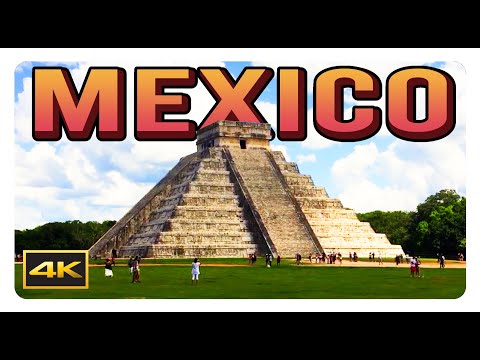
Nestled in the lush landscapes of Yucatan, Mexico, Chichen Itza stands as a monumental testament to the astronomical precision and architectural genius of the ancient Maya civilization. This iconic site, now often captured in breathtaking 4K resolution, offers a vivid window into a past that continues to fascinate scholars and tourists alike.
### Historical Significance of Chichen Itza
Chichen Itza, which means “at the mouth of the well of the Itza,” was one of the largest Maya cities and served as a major political, economic, and religious hub from approximately 600 AD to 1200 AD. Its diverse architectural styles reflect the rich and complex history of interaction between different Maya regions and cultures. The site was also a pivotal center for trade, linking routes that extended all the way to Central America.
The decline of Chichen Itza around the 13th century still remains a topic shrouded in mystery. Despite its fall from prominence as a city-state, it continued to be revered as a religious site. By the time Spanish Conquistadors arrived in the region, it had taken on new roles under different powers but retained its significance in Mayan culture.
### Architectural Marvels: The Temple of Kukulcan
Perhaps the most iconic structure within Chichen Itza is El Castillo or the Temple of Kukulcan. This step pyramid serves not only as a religious temple but also as an astronomical clock. Twice each year during both spring and autumn equinoxes, an enchanting play of light and shadow creates the image of a serpent crawling down its northern staircase. This phenomenon attracts thousands of visitors who come to witness this testament to Mayan astronomy.
The pyramid itself stands at about 30 meters high including its temple top, with each side containing 91 steps – summing up to 365 steps total when including the temple platform on top, symbolizing each day of the Haab’, one aspect of their intricate calendrical system.
### Other Architectural Highlights
Beyond El Castillo lies an array of other impressive structures:
– **The Great Ball Court:** The largest ball court in ancient Mesoamerica where players would participate in a ritual game that held deep spiritual significance.
– **The Temple of Warriors:** An expansive complex featuring rows of carved columns depicting warriors which suggests it might have been both military grounds and an important ceremonial area.
– **El Caracol:** An observatory dome indicative of how advanced Mayans were in understanding celestial events.
– **Tzompantli (Skull Rack):** A grim yet captivating platform where skulls were displayed presumably as war trophies or offerings.
### Experiencing Chichen Itza Today
Today, thanks to advancements in digital imaging technologies like 4K video recording, virtual tours can offer immersive experiences that showcase intricate details normally invisible to naked eyes—everything from carvings on limestone walls depicting deities and supernatural scenes to precise alignments with celestial bodies during specific times. For those fortunate enough to visit physically, there’s nothing quite like standing before these immense structures themselves—structures built hundreds if not thousands years ago without modern machinery or tools.
Through these media portrayals whether virtual or physical visits—Chichen Itza provides profound insights into Maya civilization’s complexities with its blend spirituality intertwined with scientific observation; all set against backdrop Yucatan’s serene beauty making it key destination historians archaeologists enthusiasts alike our continual quest understand more about humanity’s collective heritage across globe.
### Conclusion
Chichen Itza is undoubtedly one crown jewels Mexico’s rich archaeological offerings—a legacy left behind by one history’s most intelligent culturally sophisticated societies; Preserved through time by efforts preservation enabling future generations marvel at awe-inspiring ingenuity human spirit encapsulated within stone ruins they left behind their eternal watch over land they once ruled sovereignly over.