
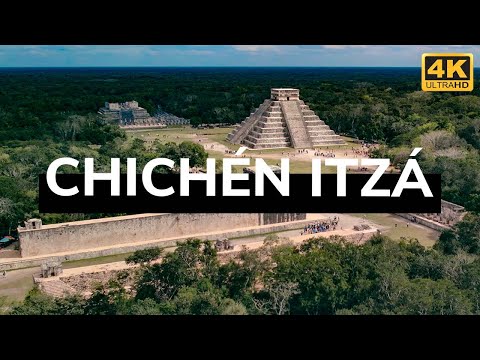
Nestled in the lush landscapes of the Yucatan Peninsula, Chichen Itza stands as a monumental testament to the ingenuity and spirit of the Maya civilization. This ancient city, one of Mexico’s most visited archaeological sites, offers a unique glimpse into the complex social and cultural fabric that characterized much of pre-Columbian America. With modern technology, visitors can now explore this UNESCO World Heritage Site in stunning 4K resolution, bringing the vibrancy and mystique of this historical gem into sharper relief than ever before.
#### Historical Significance
Founded around the mid-5th century AD, Chichen Itza was one of the largest Maya cities and held great significance both politically and economically until around 1200 AD. The site exhibits a variety of architectural styles, reflective of the diverse influences that impacted this region over centuries. One of its most famous structures, El Castillo or Temple of Kukulcan, embodies the astronomical precision and religious fervor of the Mayas. On each vernal and autumnal equinox, shadows cast by the setting sun project an image of a serpent wriggling down the pyramid’s steps — an enthralling sight suggesting deep astronomical knowledge and cultural sophistication.
#### Architectural Marvels
Exploring Chichen Itza in 4K allows enthusiasts to appreciate intricate details that may be missed otherwise. From the massive ball court—where players competed in a ritual game potentially fatal to its losers—to the haunting Skull Platform displaying carved stone skulls, each element tells a story steeped in mythology and cultural practices. The Temple of Warriors with its impressive rows of columns depicting warriors ready for battle offers another captivating scene rendered vividly through high-definition imaging.
#### Technological Enhancements with 4K Viewing
The leap to 4K viewing transforms how we experience historical sites like Chichen Itza. This ultra-high-definition video quality provides four times more detail than standard HD; it accentuates textures and colors so vividly that viewers can almost feel the roughness of limestone blocks or appreciate subtle color variations in ancient frescoes no longer visible to naked eyes compromised by time. For remote viewers or those planning their visit, leveraging technologies such as virtual tours or augmented reality apps can enrich understanding before setting foot on site.
#### Cultural Immersion
Beyond physical structures lies an immersive cultural narrative waiting to be explored at Chichen Itza. The cenotes (natural sinkholes) scattered around Yucatan were considered gateways to Xibalba—the Mayan underworld—by ancient Mayans. Cenote Sagrado located near Chichen Itza was used for ceremonial purposes including sacrifices; artifacts recovered from its depths underline its significance within Mayan spiritual practices.
For an even deeper cultural immersion, experience traditional events such as light-and-sound shows which spectacularly narrate stories using El Castillo as a backdrop after dusk falls over Chichen Itza.
#### Sustainable Tourism Perspective
While enjoying these magnificent ruins is important for education and appreciation of human history, it is crucial to approach such visits with respect for preservation efforts aimed at maintaining their integrity against natural decay and human interference alike. Sustainable tourism practices help ensure future generations will continue having access to these windows into our world’s diverse past.
By presenting Chichen Itza through engaging multimedia experiences like those offered by detailed 4K videos or virtual tours not only enhances visitor interaction but also promotes global awareness about preserving such invaluable heritage sites.
In conclusion, whether viewed through a camera lens broadcasting every detail in mesmerizing resolution or seen up close where every stone speaks volumes about ancient life—Chichen Itz remains one among many keys unlocking secrets long buried beneath centuries-old civilizations thriving once across what is today called Mexico.