
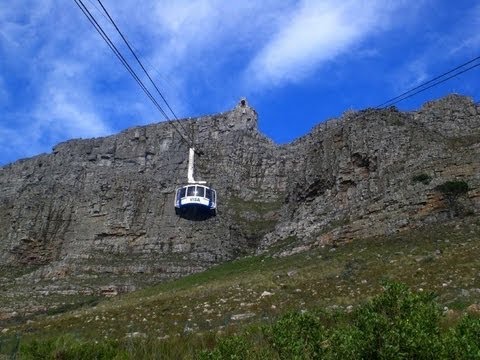
Nestled at the heart of Cape Town, South Africa, Table Mountain rises majestically above the city’s landscape, providing a stunning backdrop that has captivated visitors and locals alike for centuries. This flat-topped mountain is not only a significant tourist attraction but also a vital natural resource that supports biodiversity and provides various ecological benefits.
### Geographical Overview
Table Mountain stands at approximately 1,086 meters (3,563 feet) above sea level. It is famous for its distinctive flat top, which measures about 3 kilometers (2 miles) from side to side. Geologically, the mountain is primarily composed of sandstone and is part of the larger Table Mountain National Park that stretches from Signal Hill in the north to Cape Point in the south.
### Historical and Cultural Significance
Table Mountain has a rich history that dates back thousands of years. It was a source of awe and inspiration for the Khoi and San people, indigenous tribes who first inhabited the area. European explorers later recognized it as a major landmark during their voyages around the southern tip of Africa. The mountain’s striking profile made it an excellent navigational marker for sailors entering or leaving the waters around Cape Town.
In more recent times, Table Mountain has become an emblematic symbol of Cape Town and South Africa as a whole. It was officially named one of the New7Wonders of Nature in 2011 after a global poll.
### Biodiversity and Natural Environment
Table Mountain is renowned for its incredibly diverse flora and fauna. It supports one of the richest yet smallest floral kingdoms on earth – the Cape Floristic Region. Despite its limited geographic extent, over 1,500 plant species have been recorded on the mountain alone, many of which are endemic to this area.
The fauna is equally impressive with several species thriving in this unique habitat. From baboons to porcupines and even ghost frogs, wildlife on Table Mountain adds yet another layer to its rich biodiversity.
### Outdoor Activities
For outdoor enthusiasts and tourists alike, Table Mountain offers an array of activities. Hiking is perhaps one of the most popular ways to explore this majestic landscape. Numerous trails range in difficulty from leisurely walks to more challenging climbs up rocky outcrops.
The Aerial Cableway provides an alternative for those who prefer not to hike yet wish to enjoy panoramic views from atop. Once at the summit, visitors can enjoy spectacular views across Cape Town Harbor, Robben Island, and beyond into where Atlantic Ocean meets Indian Ocean.
### Conservation Efforts
Preserving this natural wonder is crucial due to its environmental significance and vulnerability to threats such as invasive species encroachment or climate change impacts like increased fire frequency or intensity due to prolonged dry spells exacerbated by global warming.
Management efforts by South African National Parks (SANParks) focus on maintaining ecological integrity while accommodating millions who visit annually without causing irreversible damage or undue stress on native plants and animals residing there.
### Conclusion
Table Mountain remains an iconic symbol not only because it dominates Cape Town’s skyline but also due it beautiful environment rich in biodiversity which requires ongoing protection so generations future can continue learn from appreciate its natural beauty wisdom inherent within.
From hiking exploring flora fauna or simply taking moment marvel at view provides enduring connection nature seldom found elsewhere world today—making truly must-see destination anyone visiting South Africa’s shores.