
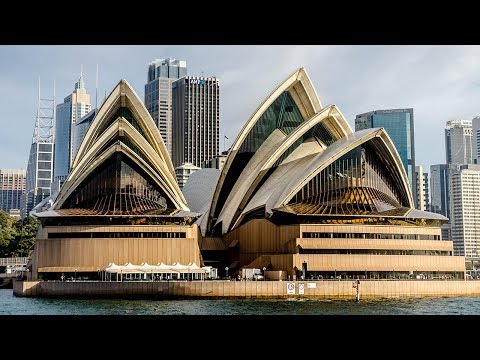
Nestled on the edge of Sydney Harbour, the Sydney Opera House stands as a beacon of architectural innovation and cultural significance. With its distinctive sail-like design, this iconic venue has not only become synonymous with the city of Sydney but also represents Australia’s creative and artistic prowess on the global stage. The story of its construction is a tale of ambition, controversy, and triumph.
#### Conceptual Beginnings
The journey of the Sydney Opera House began in 1956 when the New South Wales Government launched an international design competition to build a new performing arts center on Bennelong Point. The goal was to create a structure that would bolster the city’s cultural landscape. Out of 233 entries from 32 countries, the design by Danish architect Jørn Utzon was selected. His visionary concept featured a complex series of interlocking shells that would eventually become one of the most recognizable structures in the world.
#### Architectural Challenges
Utzon’s design was groundbreaking and far ahead of its time, both aesthetically and technically. However, this innovation came with its share of challenges. The construction began in 1959 but soon ran into technical difficulties due to the ambitious nature of Utzon’s designs which had never been attempted before. Engineers struggled with how to construct the roof shells in a way that was structurally sound yet faithful to Utzon’s aesthetic vision.
In an innovative turn, it was decided that the shells would be formed from pre-cast rib segments made from concrete, solving one of the major engineering hurdles. Despite this breakthrough, political and funding issues compounded by escalating costs led to tension between Utzon and the government clients.
#### Political Turmoil and Utzon’s Departure
By 1966, after years of controversy over costs and construction delays, Jorn Utzon resigned from his own project under acrimonous circumstances and never returned to Australia. The project was then completed under the guidance of Australian architects Peter Hall, Lionel Todd, and David Littlemore by applying pragmatic solutions that diverged from some aspects of Utzon’s original intent.
#### Completion and Legacy
The Sydney Opera House was officially opened by Queen Elizabeth II on October 20th, 1973 – fourteen years after construction began. Despite its troubled creation process, it quickly became one of Australia’s top tourist attractions attracting millions each year who come to admire its architectural beauty or enjoy performances across a range disciplines including opera,ballet,theater,musical concerts,and more.
In recognition of its artistic significance architecture alongside unique structural design,the Opera House designated UNESCO World Heritage Site in 2007 – making it youngest cultural sites ever receive such honor at time.Since then,it has undergone several refurbishments improve facilities while respecting historic legacy building including introduction Renewal Plan ensure longevity functionality into future generations visitors performers alike.
Today,Sydney Opera House not only represents remarkable achievement terms innovation but also embodies spirit resilience overcoming adversity during creation process.It continues serve cultural hub fostering arts while serving reminder how architecture can transcend simple form function become something much greater intertwined with identity place itself.