
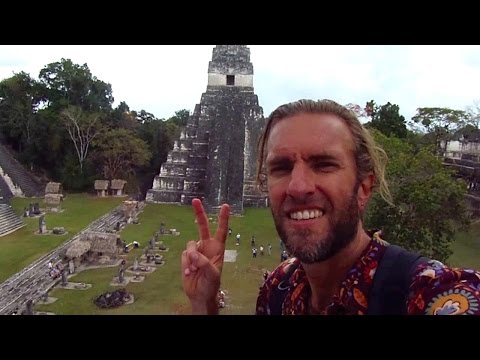
Nestled within the lush, verdant rainforests of northern Guatemala, the ancient ruins of Tikal stand as towering testaments to the grandeur and mystery of the Mayan civilization. This UNESCO World Heritage site, one of the largest archaeological sites and urban centers of the pre-Columbian Maya civilization, continues to captivate historians, archaeologists, and travelers alike with its incredible scale and complexity.
### Historical Overview
Founded around 600 BC, Tikal flourished between 200 AD and 850 AD, becoming one of the most powerful kingdoms in ancient Maya history. At its zenith, it was a bustling metropolis teeming with an estimated population ranging from 10,000 to as many as 90,000 people. It acted as both a political and economic hub that controlled much of the region.
### Architectural Marvels
The ruins of Tikal are dominated by five colossal temples that rise dramatically above the rainforest canopy. These iconic pyramids are engineering marvels constructed without the use of metal tools, wheels, or draft animals. Temple IV is particularly famous; standing over 70 meters tall, it offers breathtaking views across the forest to other temples poking through the canopy.
The Great Plaza is another highlight of Tikal. Surrounded by stelae and altars used for ceremonial purposes, it is flanked by two major pyramids – Temples I and II – which face each other across a vast stretch of space designed for gatherings and significant events.
### Mysteries Encoded
Tikal is not just about grand structures but also about intricate carvings that reveal aspects of Mayan culture including their political systems, wars fought with neighboring city-states like Calakmul (also known as Caracol), religious rituals, and astronomical calculations. Each stela offers a storybook into past lives led under different rulers which historians have painstakingly deciphered from their hieroglyphics.
### Connection with Nature
What makes Tikal particularly special is its deep integration with nature. The city’s planners exhibited advanced understanding in managing resources sustainably among such a dense jungle environment. Today’s visitors might encounter howler monkeys swinging from tree branches or toucans perched atop temple ruins – a vivid reminder that this was once a thriving ecosystem managed by humans.
### Modern Discoveries through Technology
Recent advances in technologies like LIDAR (Light Detection and Ranging) have uncovered previously hidden structures beneath Tikal’s thick jungle covering without disturbing it physically. These findings suggest that Tikal was even more extensive than previously thought; potentially linked through sophisticated networks with other nearby sites.
### Visiting Tikal Today
For those planning to visit Tikal today, there are various options ranging from day trips from nearby Flores to staying overnight at accommodations within or near the park itself for an immersive experience. Walking among these ruins at dawn or dusk can be particularly magical when mist shrouds ancient pathways leading between great plazas and residential complexes once inhabited by one of human history’s most fascinating civilizations.
### Preserving Heritage
While deeply enriching for any visitor’s understanding of cultural heritage, Tikal also faces challenges such as balancing tourism growth while conserving historical integrity and natural habitat around these fragile structures. Continued efforts in both local community education on heritage value alongside sustainable tourism practices are critical for preserving this site for future generations.
In conclusion, any visit to Guatemala is genuinely incomplete without experiencing first-hand the awe-inspiring sights and sounds surrounding Tikal—where each stone tells a story not just about Maya civilization but also about humanity’s broader interaction with our world’s diverse environments across centuries.