
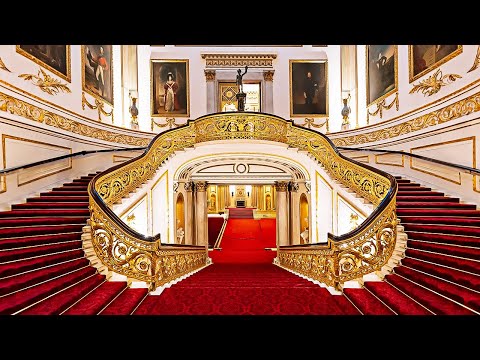
Buckingham Palace, the administrative headquarters of the monarch of the United Kingdom, is not just a home; it’s an emblem of royal tradition and British cultural heritage. Estimated at a staggering value of around $5 billion, this iconic palace has served as the official London residence of Britain’s sovereigns since 1837 and was home to Queen Elizabeth II until her passing in 2022. Here, we delve deep into the architectural marvel, historical significance, and royal lifestyle associated with Buckingham Palace.
## Architectural Grandeur
Buckingham Palace stands majestically in the City of Westminster and originally started as a large townhouse built for the Duke of Buckingham in 1703. It was transformed into a palace by architect John Nash for George IV. Over time, it has undergone numerous modifications and expansions, including the famous east front addition which houses the well-known balcony where the royal family greets the public.
The palace spans approximately 830,000 square feet and comprises 775 rooms. These include 19 State rooms used for official receptions, 52 Royal and guest bedrooms, 188 staff bedrooms, 92 offices, and 78 bathrooms. Its elaborate design embodies late French neoclassical influences with a hint of English Palladianism—a testament to its regal aesthetics.
## A Hub of Royal Ceremonies
Buckingham Palace is central to many official events hosted by the royal family. The State Rooms form the core of the working palace—frequented during state visits by heads of state or other official guests. The most illustrious event held here is perhaps the annual reception held during “Trooping the Colour,” which marks the queen’s official birthday.
Additionally, investitures—where honors are conferred upon individuals by members of the royal family—take place in these grand halls. During major ceremonies like these, each room within Buckingham Palace tells a story through its exquisite artworks that include paintings by Rembrandt, Van Dyck, Rubens and Vermeer.
## The Royal Collection
One cannot discuss Buckingham Palace without mentioning The Royal Collection—one of the most important art collections in existence today. It boasts over one million objects including paintings, rare furniture pieces and other decorative arts acquired or commissioned by kings and queens over centuries.
These pieces are not hidden away but are often strategically placed throughout various sections of Buckingham Palace for public viewing during summer openings or special exhibitions—an initiative that reflects a modern approach to monarchy: one that balances tradition with transparency.
## Living History
Living in such splendor comes with its challenges; despite its size and luxury features such as an indoor swimming pool, private cinema and even a post office within its walls! Queen Elizabeth II reportedly favored more personal quarters such as her private apartments which provided comfort away from her duties as Head of State.
She also initiated several modernization efforts within Buckingham Palace during her reign including refurbishments that introduced more sustainable technologies which helped preserve this historic monument while keeping up with contemporary standards.
## Conclusion
Buckingham Palace is more than just an opulent structure; it symbolizes centuries-old traditions intertwined with modern leadership aptly represented by Queen Elizabeth II’s long reign. Its walls encapsulate stories of diplomatic gatherings that have shaped global politics along with intimate moments that define personal human experiences at their very core.
While its estimated $5 billion valuation highlights its material worth; ultimately it’s invaluable due to its role in history—a timeless beacon of national pride for Britain.