
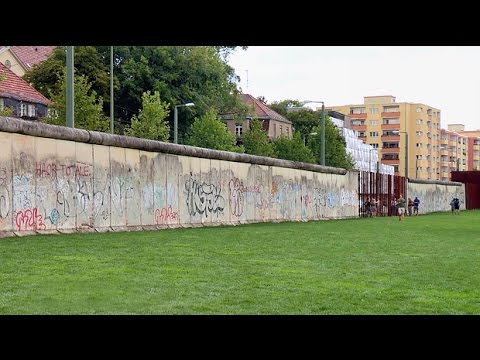
As the beating heart of Germany’s history and one of the epicenters for some of the most dramatic global events in the 20th century, Berlin offers a profound journey into the past, even as it buzzes with modern life. If you’re planning to discover this city’s rich historical texture, no visit would be complete without exploring the remnants of the Berlin Wall and stepping into the iconic Checkpoint Charlie. Here’s a travel bite from Rick Steves’ Europe guide to inspire your journey.
### The Berlin Wall: A Symbol Transformed
Once a grim marker of division during the Cold War, stretching over 140 kilometers, today what remains of the Berlin Wall stands as a powerful symbol of resilience and reconciliation. The best place to start is at the Berlin Wall Memorial on Bernauer Straße. This preserved section includes an original portion of the wall with guard tower and death strip—the no man’s land that separated East from West Berlin.
Visitors can walk along this historic barrier while viewing exhibitions that depict life behind the Iron Curtain and stories about daring escapes. Rick Steves suggests taking a guided tour to fully appreciate complex historical nuances—how families were divided overnight and how global politics played out on these streets.
### Checkpoint Charlie: A Cultural Icon
Checkpoint Charlie was once a main crossing point between East and West Berlin, notorious for its stringent security checks during Cold War tensions. Now situated in one of Berlin’s bustling commercial areas, it has become one of city’s most visited sites. While some might find it rather touristy with its reconstructed guardhouse and actors dressed as soldiers for photo ops, there’s significant history here worth acknowledging.
For an in-depth experience, don’t miss out on the nearby Checkpoint Charlie Museum (Mauermuseum). According to Rick Steves’ guidebook insights, this museum offers an extensive collection related to both espionage during Cold War times and escape attempts across this checkpoint—some successful, others tragically not.
### Beyond History: Artistic Interpretations
As you explore these historical sites, also immerse yourself in vibrant expressions found along sections such as East Side Gallery—a long stretch where artists from around the world have transformed parts of the wall into a canvas advocating peace and freedom. It’s not just a visual feast but also an emblematic reminder that walls can come down and hearts can open.
Rick Steves recommends spending time reflecting on these murals that highlight hopes for better futures amidst memories of past repression. These creative testimonials are integral to understanding Berlin’s unique character—a city forever marked by its history but continually evolving through its art.
### Tips for Your Visit
– **Stay Informed**: Before visiting these sites, review recent sections from Rick Steves’ guidebooks or website entries to get updated practical information.
– **Respectful Exploration**: Remember that these sites are deeply significant. It’s important to explore them thoughtfully.
– **Local Perspective**: Consider joining a walking tour led by local experts—they provide personal stories often missing from textbooks.
– **Timing Your Visit**: Early mornings or later evenings usually offer quieter experiences at popular spots like Checkpoint Charlie.
– **Documentation**: Bring your camera but use it wisely; some places capture more than just images—they capture poignant reminders about resilience against division.
In conclusion, whether you’re traversing along remnants of historical barricades or learning about intricate spy tales at Checkpoint Charlie Museum—a trip to these key spots in Berlin isn’t merely about stepping back into history; it’s about witnessing how far we’ve come since those wall shadows loomed over city lives. With guidance from resources like Rick Steves’ Europe Travel Guides tailored specifically for curious travelers like you, your visit will not only be informed but profoundly impactful.