
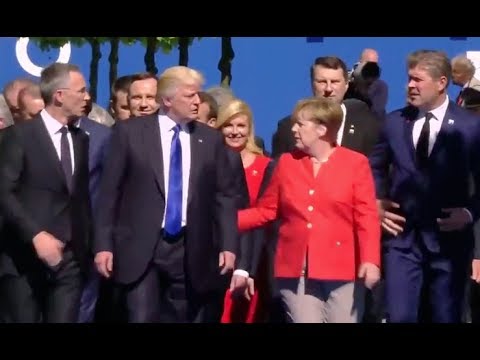
In a significant event highlighting the enduring strength and unity of the North Atlantic Treaty Organization (NATO), leaders from member countries convened in Berlin to unveil two new memorials commemorating pivotal aspects of the alliance’s history: the Berlin Wall and the invocation of NATO’s Article 5.
#### Reflecting on History: The Berlin Wall Memorial
The first memorial unveiled was dedicated to the Berlin Wall, a symbol of division that once split not only Germany but epitomized the ideological divide between East and West during the Cold War. The fall of the Berlin Wall in November 1989 remains one of the most potent symbols of the 20th century, representing a victory for freedom and democracy over oppression.
The ceremony was charged with emotion as several key figures, including German Chancellor Angela Merkel, spoke passionately about their personal experiences and memories tied to the Wall. “This monument stands as a testament not only to division but more importantly to reconciliation and unity,” Merkel remarked during her speech.
#### Solidarity in Defense: The Article 5 Memorial
Following this, NATO leaders revealed a second memorial dedicated to Article 5 of the NATO Treaty, which has been invoked just once in the organization’s history—following the September 11 terrorist attacks in the United States. The Article states that an armed attack against one or more NATO members is considered an attack against all members, emphasizing collective defense as a cornerstone principle.
The invocation of Article 5 marked a critical moment for NATO, underscoring its relevance in post-Cold War security architecture. U.S. President Joe Biden reflected on this during his address at the unveiling. “Article 5 demonstrates our collective resolve; it’s not just a principle but a promise that has kept us secure for decades,” he stated.
#### Commemoration Through Unity
The event itself was meticulously organized, reflecting both solemnity and celebration. It began with a ceremonial march by military bands from various member countries, followed by speeches from notable figures including NATO Secretary-General Jens Stoltenberg. Floral wreaths were placed at each memorial site while military honors were rendered by joint multinational forces.
Security concerns were palpable amidst recent global tensions; however, stringent measures ensured that proceedings went smoothly. The crowd included veterans, diplomats, civil society members, and school children—a diversity underscoring NATO’s broad impact across generations.
#### Looking Forward: Implications for Transatlantic Relations
These memorials symbolize more than past events; they serve as beacons for current and future policies regarding international cooperation and security commitments. As modern challenges emerge—ranging from cyber threats to terrorism and geopolitical instability—NATO’s role as a stabilizing force is continually reaffirmed through such acts of remembrance and solidarity.
This event also enhanced Germany’s role within NATO, showcasing its commitment as both host nation and key ally in European security frameworks since reunification. As Chancellor Merkel noted, “Germany stands ready to uphold its responsibilities towards true multilateralism.”
#### Conclusion
The dual unveiling ceremonies provided poignant moments for reflection on significant historical milestones while reinforcing NATO’s ongoing relevance in international politics. They underscored how commemorations can bridge past achievements with future aspirations in global diplomacy—an essential lesson as member nations navigate complex global landscapes together.
As attendees left the site with renewed appreciation for their shared history and mutual commitments under NATO’s banner, there was confidence that these memorials would inspire future generations about peace through strength and unity.