
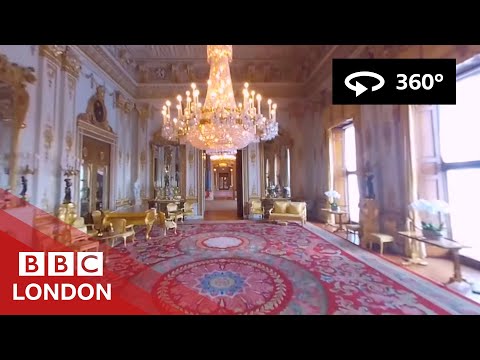
In an era where technology bridges the gap between distant lands and curious eyes, BBC London’s latest offering—a 360-degree video tour of Buckingham Palace—stands out as a pinnacle of virtual travel experiences. This immersive adventure allows viewers from around the globe to explore one of the most iconic residences of royalty without leaving their homes.
#### The Royal Residence in Panoramic Detail
Buckingham Palace, the London residence and administrative headquarters of the monarch of the United Kingdom, has long fascinated people with its grandeur and historical significance. Built in 1703 for Duke Buckingham, it became the official royal palace under Queen Victoria in 1837. Today, it not only serves as a key location for state occasions but also symbolizes centuries of British tradition.
The BBC London’s 360 video tour capitalizes on cutting-edge VR (Virtual Reality) technology, providing a panoramic experience that is both detailed and engaging. As users navigate through various rooms and halls, they are treated to rich narratives detailing the architecture, art collections, and royal ceremonies typically hidden from public view.
#### A Virtual Walk Through History
The virtual tour starts at the Grand Entrance, where visitors virtually step through the same doors that have welcomed dignitaries and heads of state. From here, one can delve into several staterooms including:
– **The White Drawing Room**: Often used by The Queen for private receptions, this room dazzles with its opulent furnishings and secret doors leading directly into her private apartments.
– **The Ballroom**: Hosting grand State banquets, it displays magnificent chandeliers and intricate ceiling decor.
– **The Throne Room**: Frequently featured during royal wedding photo shoots, this room showcases an ornate setting that epitomizes ceremonial importance.
Each area comes alive with clickable hotspots revealing fascinating facts about royal life past and present. For instance, viewers can discover how table settings are precisely arranged for official dinners or uncover stories behind specific portraits hanging on the walls.
#### Bridging Technology with Tradition
What sets this virtual tour apart is not just its content but also its delivery method. Using a 360-degree video format means that viewers can control their journey through Buckingham Palace. By simply dragging their mouse or tilting their mobile device, they can look around each room as if they were physically there. This level of interactivity is enhanced by high-definition visuals and ambient audio capturing the essence of this historic site.
Moreover, this form of presentation reflects how traditional institutions like Britain’s monarchy are adapting to modern communication technologies to maintain public interest and accessibility—even more significant during times when physical travel may be limited.
#### Educational Value & Broader Implications
The educational potential of such a tour is immense. It serves as an excellent resource for students studying British history or cultural studies who may not have firsthand access to such landmarks. Additionally, it offers global audiences insights into British culture from a unique perspective—the comfort zone of their homes.
From a broader perspective, this initiative could set a precedent for future cultural heritage projects worldwide. Museums, historic sites, and even natural reserves could adopt similar technologies to promote understanding and conservation efforts globally.
#### Conclusion
BBC London’s 360 video tour of Buckingham Palace is more than just a visual feast; it’s an educational journey that brings history directly into our digital age’s hands-on interfaces. This innovative approach not only democratizes access to one of Britain’s most sacred spaces but also invites global audiences to engage with history in a thoroughly modern way—merging reverence with relevance seamlessly.